

The race to stay cool: Butterflies are climbing mountains instead of adapting to climate change
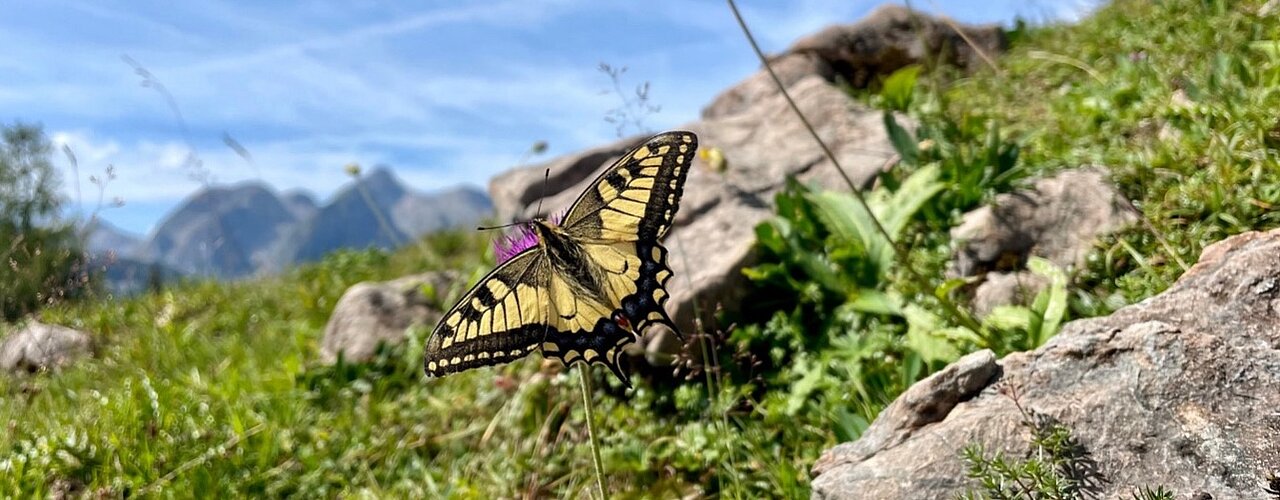
Butterflies are responding to climate change not by adapting to higher temperatures, but by moving uphill. New research from the Bavarian Alps reveals that key thermal traits remain remarkably fixed, leaving many species with little choice but to follow cooler climates.
With climate change posing an ever-growing threat to global biodiversity, there is an urgent need to understand how species experience, buffer, and tolerate changes in environmental temperature. However, it is often assumed that the responses we observe today will remain the same in the future. Species are not static—they can respond to environmental change through phenotypic plasticity or evolution. Without understanding which traits are capable of responding to changing conditions and which are not, we may underestimate species’ vulnerability to climate change.
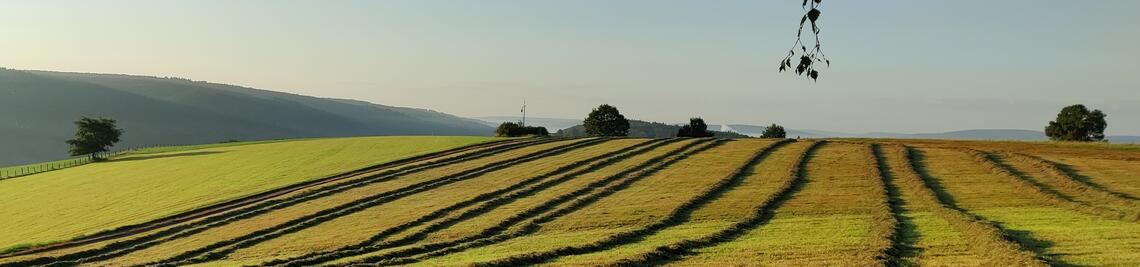
Last summer in the Bavarian Alps, Dr. Esme Ashe-Jepson investigated whether butterflies’ ability to buffer environmental temperature (i.e., thermoregulate) or tolerate temperature changes (i.e., thermal tolerance) varies in response to local environmental conditions, such as elevation. She found no evidence that either thermoregulation or thermal tolerance changes across elevations. Instead, these traits appear to be intrinsic properties of each species, with little capacity to respond to environmental change.
This limited flexibility helps explain patterns in butterfly communities along elevational gradients. Smaller, darker species were more common at higher elevations, where cooler conditions favour individuals that can warm up quickly. In contrast, larger, paler species dominated lower elevations, where they are better adapted to slower changes in body temperature.
What does this mean in the context of climate change? If butterflies cannot alter how they interact with, tolerate, or buffer environmental temperatures, they must instead shift their geographic distributions to keep pace with a warming climate. Dr. Ashe-Jepson found that species with poorer thermoregulatory abilities have undergone greater uphill range shifts. Rather than adapting to increasingly warm conditions within their original habitats, these butterflies are moving higher up mountain slopes in search of cooler environments.