

ConservES
ConservES - Living-lab approach to floral enrichment as a tool to conserve biodiversity and maximising ecosystem services in European agricultural landscapes
Sarah Redlich
Funder: BioDivERSA/Bundesministerium für Bildung und Forschung
Start time: 01/03/2023
End time: 28/02/2026
Introduction:
Modern agriculture in Europe is the driving force behind the simplification of ecological networks and the loss of biodiversity in agricultural landscapes. ConservES aims to maintain biodiversity in intensive agro-ecosystems through flora enrichment (combined flower strips and hedgerows) and to promote associated ecosystem services, i.e. natural processes such as pest and weed control or pollination. For this purpose, ConservES uses Europe-wide climate and landscape gradients to gain better insights into potential interactions with the environment. Floral enrichment is planned and implemented using an innovative living lab approach, a cooperation with stakeholders from the academic, business, public, and civil society sectors. This promotes regional, effective and long-term solutions for the conservation of biodiversity and provided ecosystem services in agroecosystems. Within the project, the university of Würzburg is investigating the impact on biodiversity in German agricultural landscapes and the influence on production-relevant ecosystem services.
Would you like to know more about the project or be involved in the Living Lab? Then get in touch:
Dr. Sarah Redlich (Projektleitung)
Tel: 0931/31-82129
Dr. Ute Fricke (Projektmitarbeiterin)
Tel: 0931/31-88120
E-Mail: conserves@uni-wuerzburg.de
Social media: ConservES project: Beiträge | LinkedIn
Partner des Netzwerkes mit:forschen

ConservES living lab
Experiences with flower strips and initial results
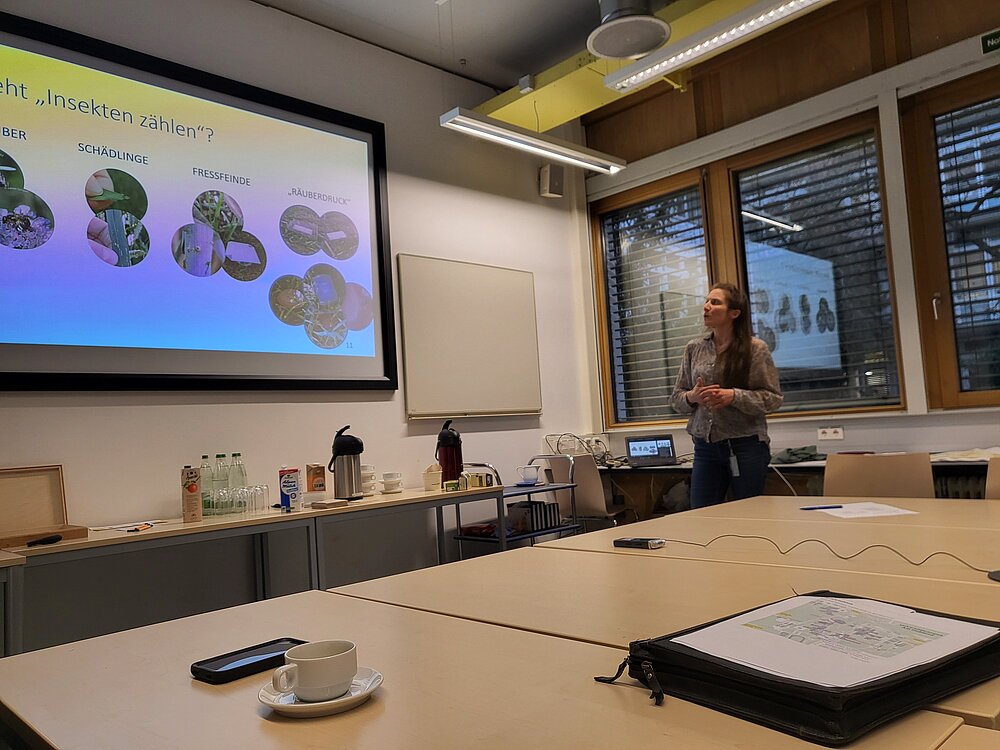
In 2024, cereal fields and adjacent field edge vegetation – hedges, field margins and combination of these with flower strips – were intensively studied for their impact on biodiversity and natural pest control. The participating farmers and researchers from Lower Franconia recently met at the University of Würzburg to share their experiences and first results.
Read the full report on the DLG Website here

BioBlitz
Second BioBlitz in Würzburg inspires citizens and science
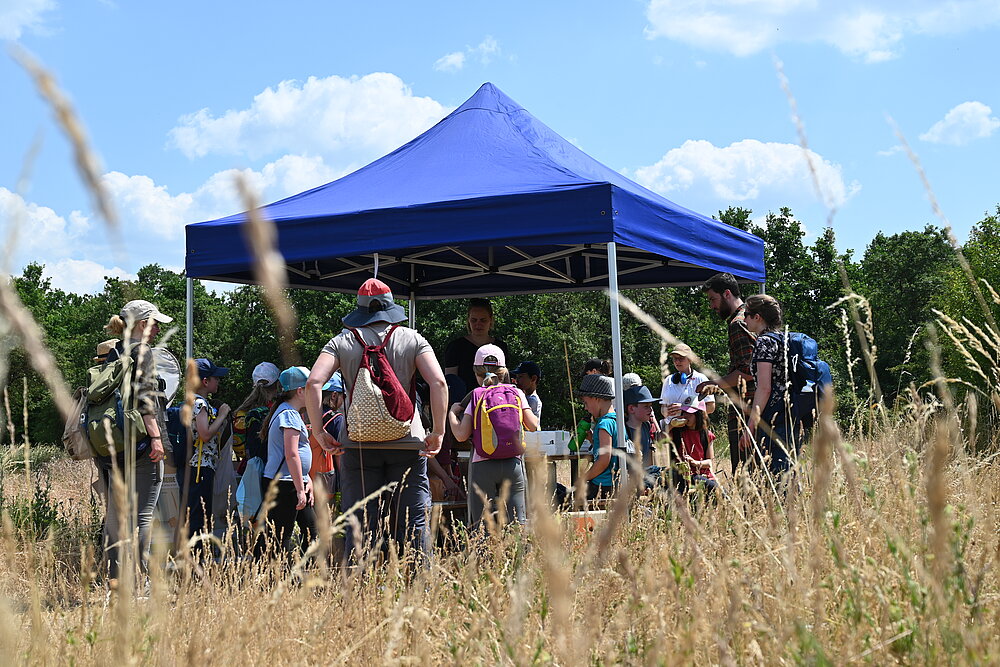
The second BioBlitz took place in Würzburg on May 9 and 10, 2025 as part of the EU research project ConservES. The aim of the event was to work together with citizens, scientists, nature conservationists and farmers to record biodiversity in agricultural landscapes and at the same time raise awareness of biodiversity and sustainable agriculture.
A BioBlitz is a time-limited inventory of biodiversity in a specific area - in this case within 24 hours. Equipped with a “discovery bag”, participants were able to explore the area and identify animals and plants under the guidance of experts. In this way, knowledge about natural habitats such as hedges, orchards, flower strips and fields was conveyed in a vivid way and a contribution was made to scientific data collection. Almost 130 people took part in the event, including around 90 members of the public (including a school class with 25 primary school children) and 40 experts and helpers, without whom the BioBlitz would not have been possible.
Initial results show that 117 plant species, 353 animal species and one fungus have been digitized so far, which is around 60 more species than in the first BioBlitz 2023. The collected species lists are further evaluated in the ConservES project and fed into the Bavarian species database Karla.Natur. Among other things, this will be used to document changes in species composition and analyze the effects of climate change and land use.
Field research
Meet the German team
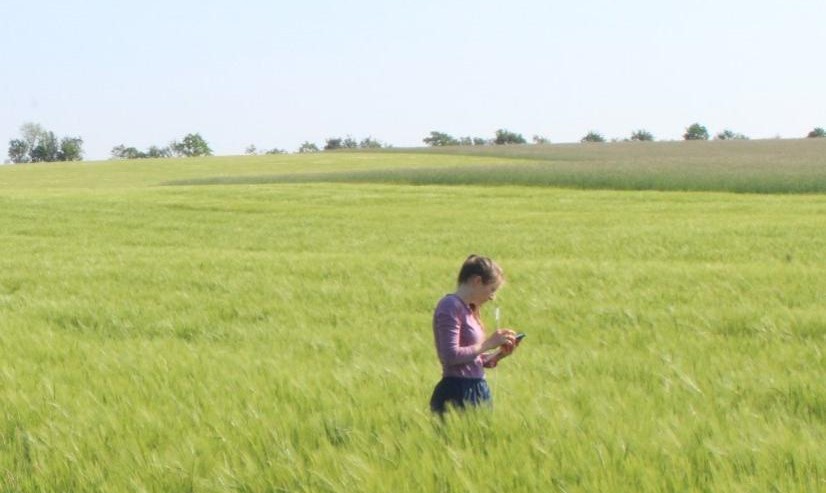
As part of the ConservES project, the agroecology working group at the University of Würzburg is investigating how climate, land use and agri-environmental measures affect insect biodiversity and important ecosystem services such as pollination and pest control.
Our aim is to find sustainable farming practices that conserve insect biodiversity, improve ecosystem services and reduce the need for external inputs while maintaining yields. The research aims to create win-win situations for both species conservation and food production in agricultural landscapes.
Join us in supporting sustainable agriculture and the conservation of biodiversity! Find out more about our project partners and our research:
What is a BioBlitz?
It is an (area-wide) inventory of biological diversity within a short period of time (here 24 hours). Interested citizens and researchers participate in sampling, sorting and recording the data. The BioBlitz offers the possibility of a broad exchange between all participants, promotes the formation of opinions and gives impulses for the implementation of new practices.
How does the BioBlitz work?
A farmer invites interested citizens to join scientists in exploring and measuring biodiversity in his or her fields, field margins and adjacent habitat.
In June 2023 and May 2025, interested citizens had the opportunity to be researchers themselves for a day and discover the diversity of the animal and plant world at the BioBlitz as part of the ConservES project in Würzburg. At four different stations, participants were able to become active in the field themselves and work with experts to find and identify animals and plants in and around agricultural fields.
Impressions Bioblitz 2023 (click to open slide show)
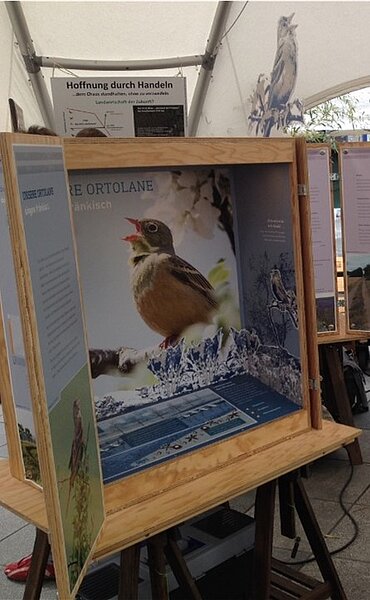


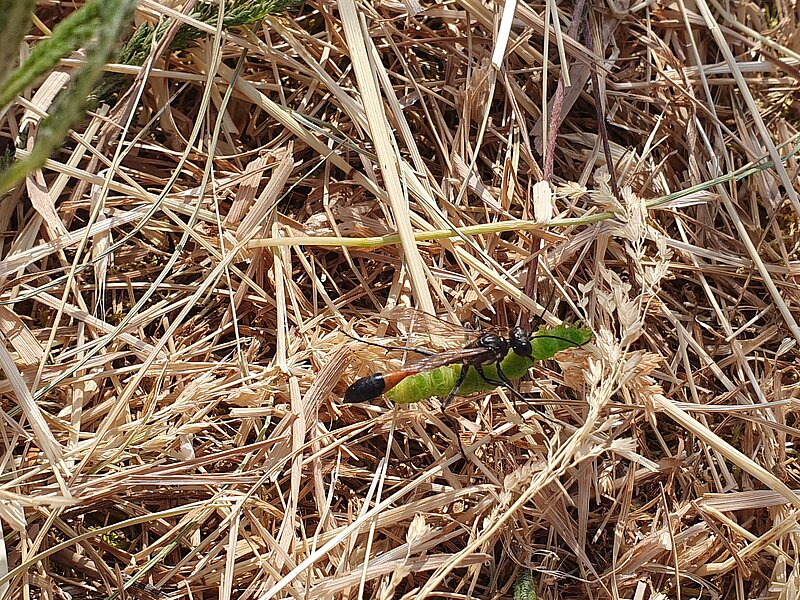
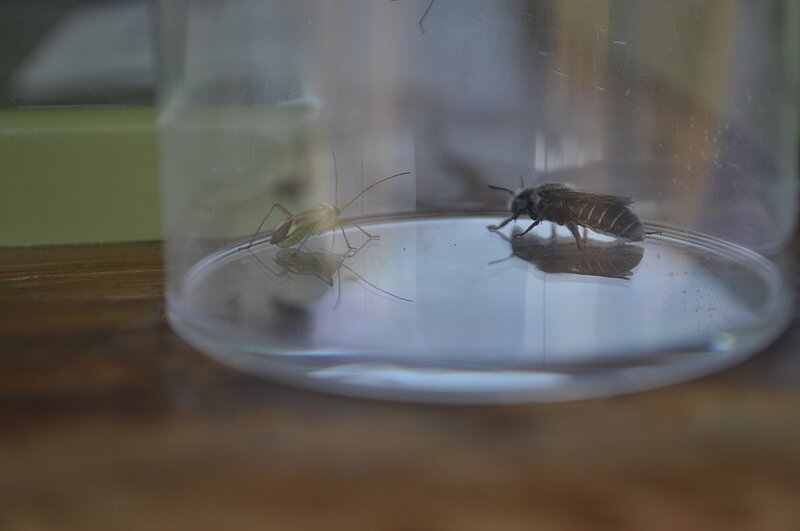
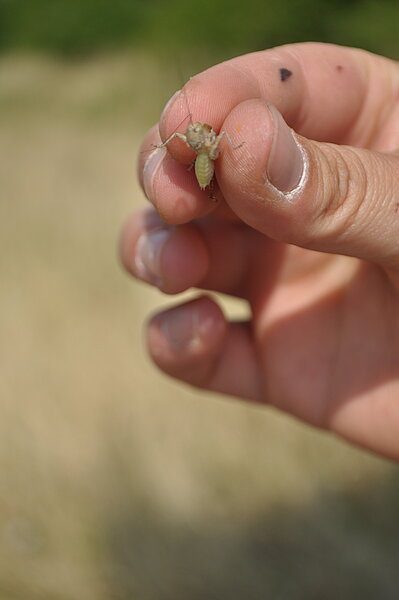
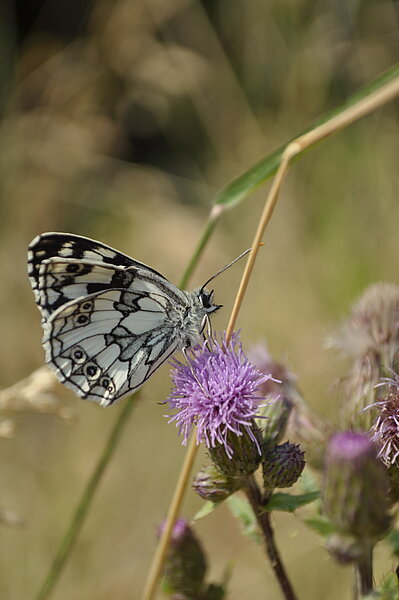
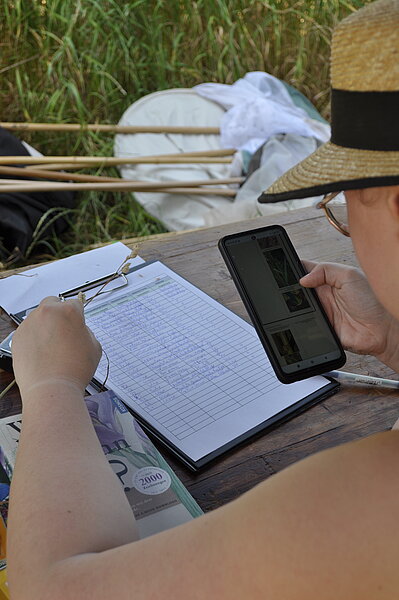
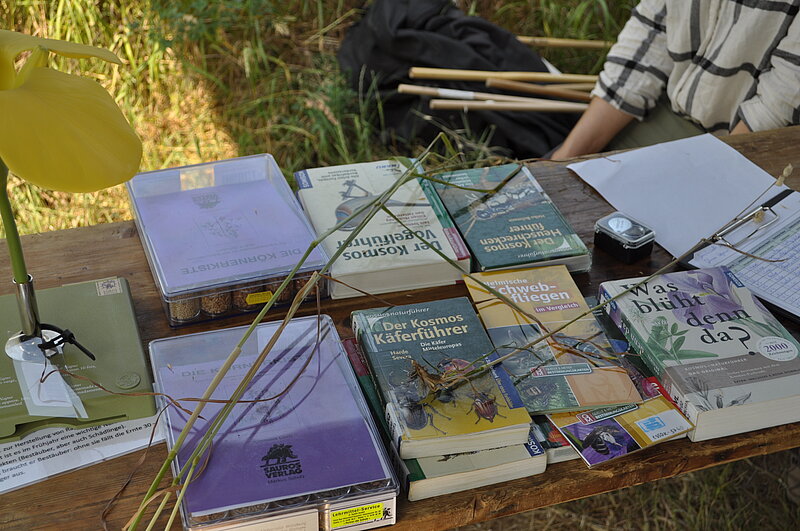
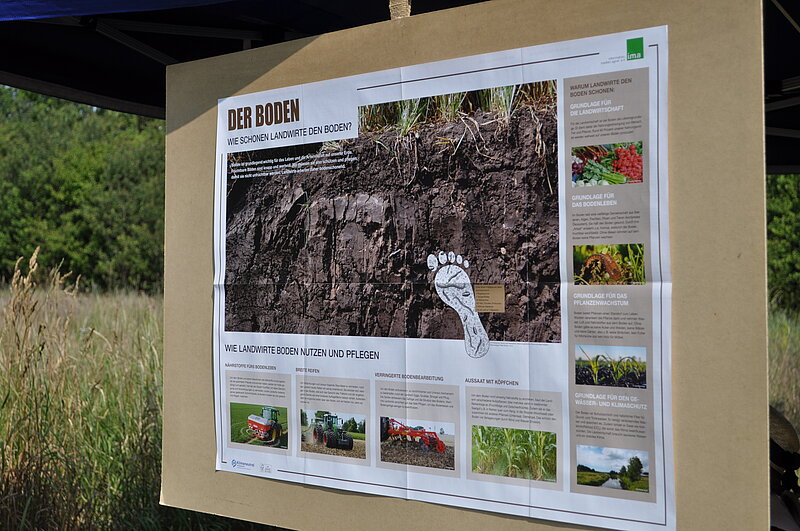
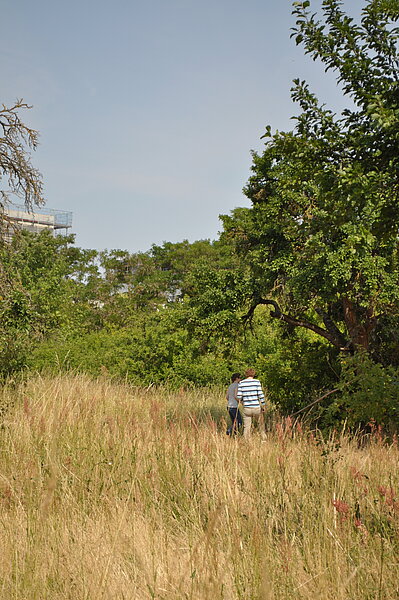
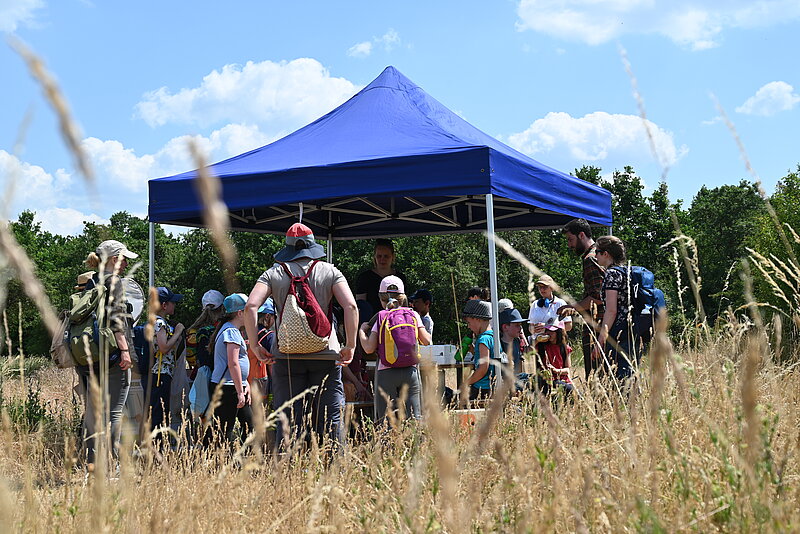
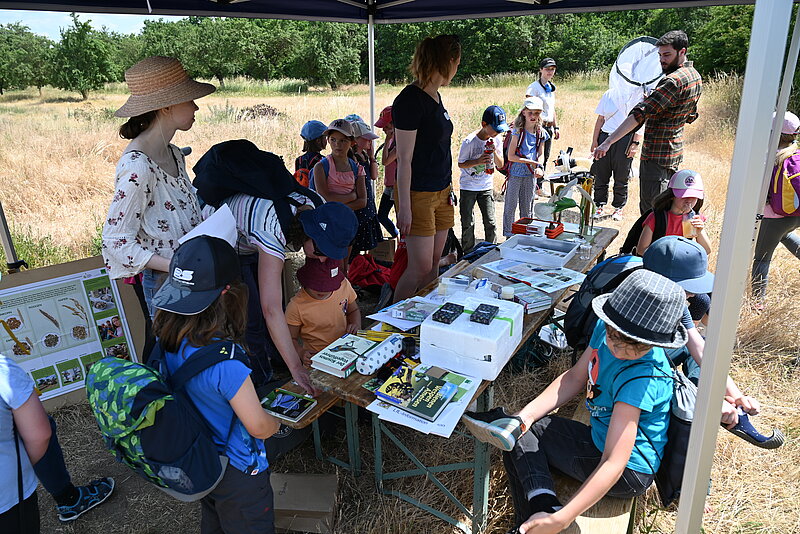
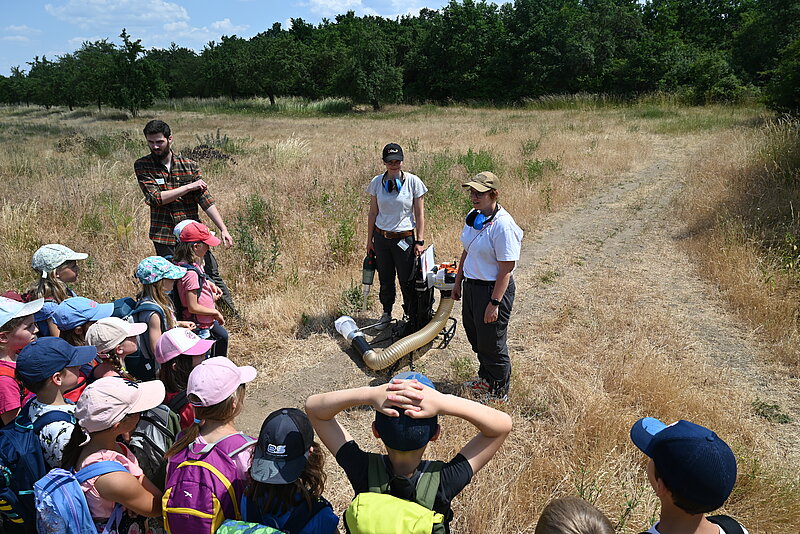
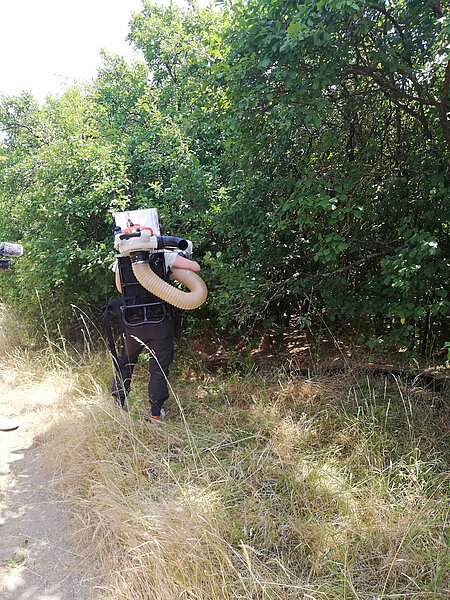

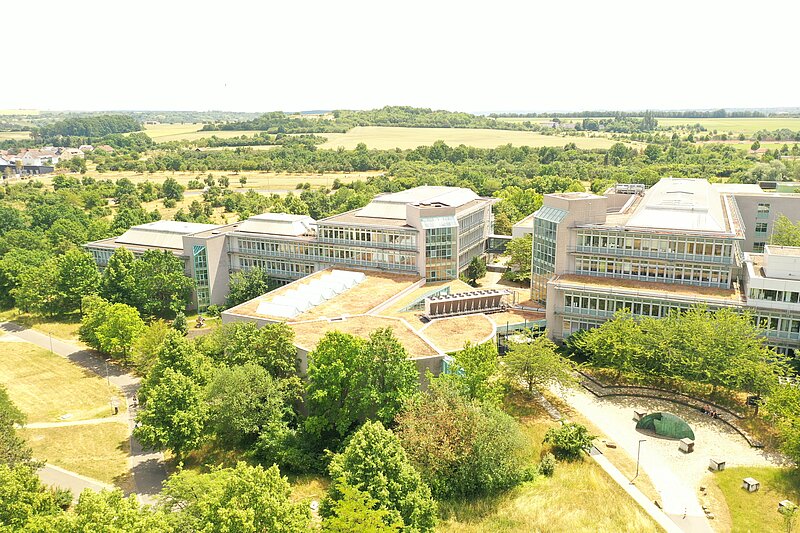
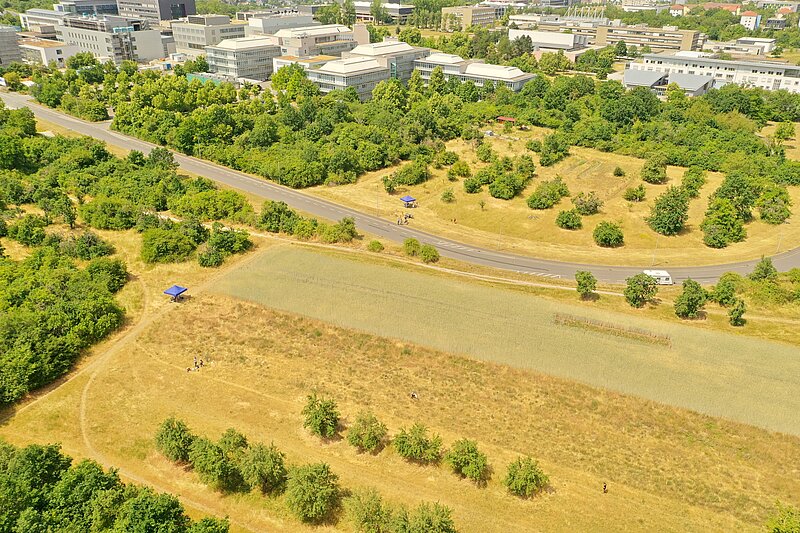
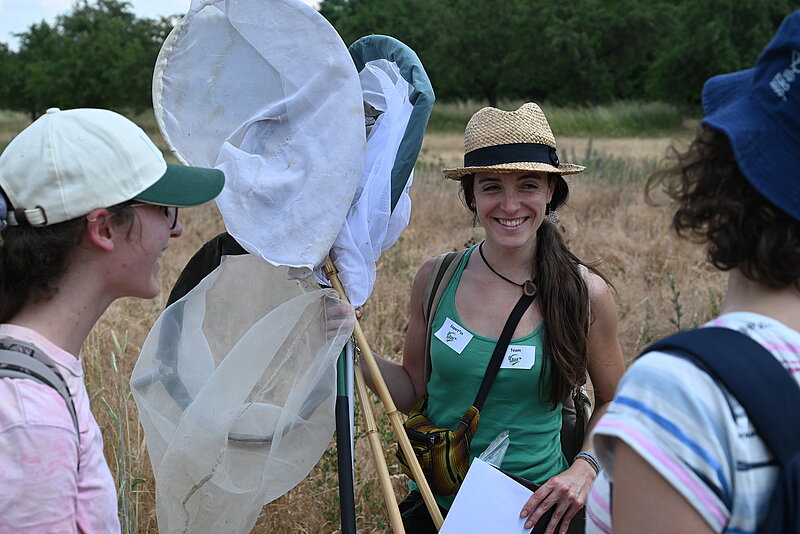
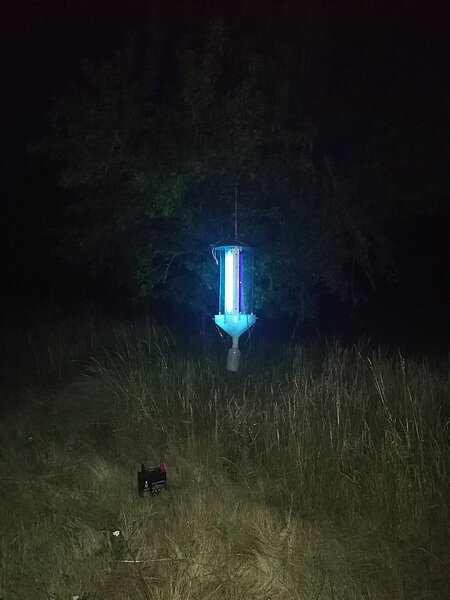
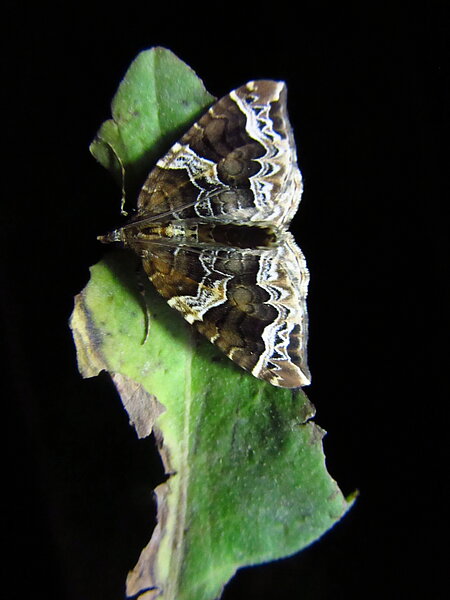
A sneak peek at the world's first "BioBlitz" in agricultural landscapes: Discovering biodiversity in the field!
![[Translate to Englisch:] pixabay](/fileadmin/_processed_/5/d/csm_Pixaby_Thomas_d49af095aa.jpg "Flower strips are the focus of a Europe-wide research project involving scientists from the University of Würzburg. (Image: Didgeman / Pixabay)")