


Dr. Zsolt Kárpáti
Dr. Zsolt Kárpáti
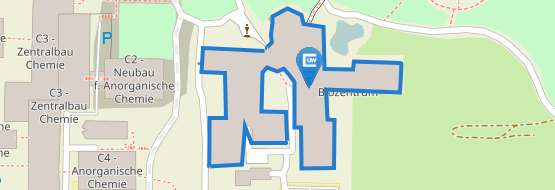
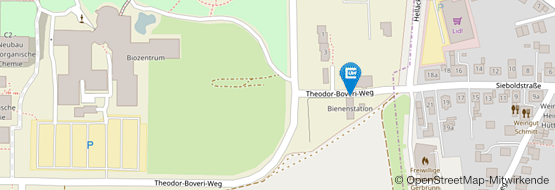
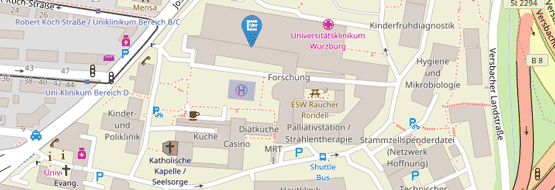
Biocenter, University of Würzburg
Am Hubland

My research is centered on the neuroethology of insects, focusing on both peripheral and central neurophysiological mechanisms underlying insect behavior. Using a multidisciplinary approach, I apply advanced techniques in single-sensillum recording (SSR), gas chromatography coupled with electroantennography (GC-EAD), as well as immunohistochemistry and neuroanatomy to explore how insects process and integrate sensory information.
A major aspect of my work addresses insect chemical communication, particularly physiological and behavioral mechanisms by which insects detect, discriminate, and respond to pheromones and plant volatiles. I investigate how these chemosensory systems contribute to vital behaviors such as mate finding and host selection.
I am also dedicated to studying plant-insect interactions, seeking to understand how plants and their volatile emissions influence insect perception, behavior, and ecology. This research is crucial for uncovering the complex dynamics that shape agricultural ecosystems and their susceptibility to pest outbreaks.
I am also interested in studying insect cuticular hydrocarbons (CHCs), with an emphasis on identifying their chemical structures and elucidating their roles in insect behavior and adaptation.
Ongoing research builds on previous findings to address innovative and timely questions in insect neuroethology, chemical ecology, and climate-adaptive entomology. Current projects include:
• Climate change and pollinator sensory ecology: A collaborative project investigates how heat waves impact the detection of floral scent blends and chemosensory orientation in buff-tailed bumblebees (Bombus terrestris).
• Cuticular hydrocarbon diversity and insect biomechanics: In partnership, studies of Medauroidea extradentata focus on the diversity of cuticular hydrocarbons in different adhesive tarsal regions.
• Climate and chemical profiles in bumblebees: This research examines how cuticular hydrocarbon composition in bumblebees shifts with age and along climate gradients, combining field ecology, chemical analysis, and environmental modeling.
My past projects focused on the neural and chemical mechanisms driving insect behavior and sensory ecology. These studies have addressed olfactory processing, chemical communication, plant-insect interactions, and environmentally relevant phenomena in several agriculturally and ecologically important species:
• Insect neurophysiology and pheromone detection: Research in the European grapevine moth (Lobesia botrana) revealed highly specific tuning and sensitivity of pheromone-detecting olfactory neurons, shedding light on neural coding strategies for mate recognition in this pest species
Kárpáti at al. (2025) Scientific Reports 15:36501. doi.org/10.1038/s41598-025-20610-9.
• Impacts of environmental stress: Studies demonstrated that heatwaves diminish bumblebee sensitivity to floral scents, with implications for pollination under climate change
• Nooten et al. (2024) Proc. Royal Soc. B 291: 20240352. https://doi.org/10.1098/rspb.2024.0352.
• Plant-insect chemical ecology: Investigations uncovered that the European corn borer (Ostrinia nubilalis) displays a volatile-mediated preference for healthy over root-infested plants, contributing to our understanding of host-selection behavior and pest adaptation
• Hajdu et al. (2024) Plant, Cell and Environment, 47: 2228-2239. DOI: https://doi.org/10.1111/pce.14876.
Education
• 2001-07 Ph.D. in insect chemical ecology, University of Pannonia, Keszthely, Hungary.
• 1998-01 M.Sc. in insect chemical communication, University of Pécs, Pécs, Hungary
• 1992-98 B.Sc. in moth pheromone communication, University of Eötvös Lóránd, Budapest, Hungary
Professional Positions
• 2019-recent Post-Doctoral Researcher, University of Würzburg, Germany
• 2019 Senior Researcher, Salzburg University, Salzburg, Austria
• 2017-recent Senior Research Fellow, HUN-REN, Center for Agric. Res., Budapest, Hungary
• 2012-17 Permanent Research Fellow, Hungarian Academy of Sciences, Budapest, Hungary
• 2010-12 Marie Curie Researcher, MPI for Chemical Ecology, Jena, Germany
• 2007-10 Post-Doctoral Researcher, Swedish University of Agricultural Sciences, Alnarp, Sweden
• 2004-07 Research Fellow, Hungarian Academy of Sciences, Budapest, Hungary
• 2002-04 Junior Research Fellow, Hungarian Academy of Sciences, Budapest, Hungary
• 1998-2002 Research Technician, Hungarian Academy of Sciences, Budapest, Hungary
• 1998 Teacher of Chemistry, József Budenz High School, Budapest, Hungary
Parental leave
• 01.01.2018.- 31.12. 2018
Research Fellowships and Grants
• 2017-18 Hungarian Scientific Research Fund (NKFIH) (55k€)
• 2014-18 SCOPES, Swiss-Hungarian-Serbian Fund (30k€)
• 2013-16 János Bolyai Individual Research Scholarship from Hung. Acad. Sci. (20k€)
• 2013-17 Hungarian Scientific Research Fund (OTKA) (25k€)
• 2013-18 Marie Curie CIG EU reintegration grant (100k€)
• 2010-12 Marie Curie IEF EU fellowship (50k€)
• 2009 FORMAS (Swedish) Travel grant (1k€)
• 2004 “Eötvös” Hungarian State Scholarship (5k€)
Kárpáti Z., Deutsch F., Lőczi B., Teski A., Fónagy A., Fodor J., Takács V., Köblös G., Nyiri G., Jósvai J. (2025) Narrow tuning and sensitivity of the pheromone-specific olfactory neuron in male European grapevine moth (Lobesia botrana) Scientific Reports 15:36501. doi.org/10.1038/s41598-025-20610-9
Thomas, N. K. T., Kárpáti Z., Schmitt, T., Riabinina O. (2025) A chemically defined oviposition attractant and repellent of Black Soldier Flies (Hermetia illucens). Journal of Insects as Food and Feed 1-13. DOI:10.1163/23524588-bja10312
Szőcs G., Molnár B. P., Kárpáti Z., Tóth M. (2025) Pheromone research: Spectacular successes and still unresolved questions. Plant Protection 86: 237-246.
Kárpáti Z., Korten, H., Schmitt, T. and Nooten, S. S. (2025) Heat waves reduce the detection of flower volatiles in bumblebees. Plant Protection 86: 194-203.
Nooten, S., Korten H., Schmitt T. and Kárpáti Z. (2024) The heat is on: reduced detection of floral scents after heatwaves in bumblebees. Proc. Royal Soc. B 291: 20240352. https://doi.org/10.1098/rspb.2024.0352
Kárpáti Z., Szelényi M., Tóth Z. (2024) Exposure to an insecticide formulation alters chemosensory orientation, but not floral scent detection, in buff-tailed bumblebees (Bombus terrestris). Scientific Reports 14:14622 DOI: https://doi.org/10.1038/s41598-024-65388-4
Hajdu, C., Machado, R. A. R., Molnár, B. P., Radványi, D., Fónagy, A., Vassor, T., Biet, B., Erb, M., Kárpáti, Z., Robert, C. A. M. (2024) Volatile-mediated oviposition preference for healthy over root-infested plants by the European corn borer. Plant, Cell and Environment, 47: 2228-2239. DOI: https://doi.org/10.1111/pce.14876
Moustafa, M.A.M., Emad, I., Erdei, A.L., Kárpáti, Z., Fónagy, A. (2023) Susceptibility of Mamestra brassicae L. (Lepidoptera, Noctuidae) against chlorantraniliprole and indoxacarb under laboratory conditions. Plant Protection 84: 497-509.
Villagomez, G., Kárpáti, Z., Rüdenauer, F., Leonhard, S. D., Brachvogel, R., Schmitt, T. (2023) A common protocol for reliable comparison of pollen fatty acid profiles: highlighting pitfalls and proposing a methodology for ecological research. Frontiers in Ecology and Evolution 11:1141832. DOI: https://doi.org/10.3389/fevo.2023.1141832
Kárpáti, Z., Deutsch, F., Kiss, B., Schmitt, T. (2023) Seasonal changes in photoperiod and temperature lead to changes in cuticular hydrocarbon profiles and affect mating success in Drosophila suzukii. Scientific Reports, 13, 5649. DOI: https://doi.org/10.1038/s41598-023-32652-y
Otieno, M., Kápárti, Z., Peters, M. K, Duque, L., Schmitt, T., Steffan-Dewenter, I. (2023) Elevated ozone but not carbon dioxide affects the composition of volatile organic compounds emitted by Vicia faba (L.) and reduces bee visits. PlosOne, 18(4): e0283480.
DOI: https://doi.org/10.1371/journal.pone.0283480
Moustafa, M.A.M., Fouad, E.A., Ibrahim, E., Erdei, A.L., Kárpáti, Z., Fónagy, A. (2023) Toxicity, biochemical and physiological impact of chlorantraniliprole and indoxacarb on Mamestra brassicae (Lepidoptera: Noctuidae). Toxics, 11(3):212 DOI: 10.3390/toxics11030212 (Q1)
Lopes, L. E., Frank E., Kárpáti, Z., Schmitt, T., Kronauer, D. J. C. (2023) The alarm pheromone and alarm response of the clonal raider ant. Journal of Chemical Ecology, 49:1-10. DOI: https://doi.org/10.1007/s10886-023-01407-4
Kárpáti, Z., Molnár, B. P. (2022) Antennal responses of black plum sawfly (Hoplocampa minuta) to European plum (Prunus domestica) flower volatiles. Acta Phytopathologica et Entomologica Hungarica 57(1): 17-25.
Kárpáti, Z., Bognár, C., Voigt, E., Tóth, M., Molnár, B. P. (2021) Monitoring of three Hoplocampa sawfly species in plum orchards Acta Phytopathologica et Entomologica Hungarica 56(2): 143-152.
Szelényi, M. O., Erdei, A. L., Jósvai, J. K., Radványi, D., Sümegi, B., Vétek, G., Molnár, B. P., Kárpáti, Z. (2020) Essential Oil Headspace Volatiles Prevent Invasive Box Tree Moth (Cydalima perspectalis) Oviposition—Insights from Electrophysiology and Behaviour. Insects, 11, 465.
Lohonyai, Z., Vuts J., Kárpáti, Z., Koczor, S., Domingue, M. J., Fail, J., Birkett, M. A., Tóth, M., Imrei, Z. (2020) Benzaldehyde: an alfalfa related compound for the spring attraction of the pest weevil Sitonia humaralis (Coleoptera: Curculionidae) Plant Protection 81: 149-160.
Schorkopf, D. L. P., Molnár, B. P., Solum, M., Larsson, M. C., Millar, J. G., Kárpáti, Z., Dekker, T. (2019) False positives from impurities result in incorrect functional characterization of receptors in chemosensory studies Progress in Neurobiology 181:101661 https://doi.org/10.1016/j.pneurobio.2019.101661
Molnár, B. P., Kárpáti, Z., Nagy, A., Szarukán, I., Csabai, J., Koczor, S., Tóth, M. (2019) Development of a Female-Targeted Lure for the Box Tree Moth Cydalima perspectalis (Lepidoptera: Crambidae): a Preliminary Report Journal of Chemical Ecology 45(8): 657-666.
Lohonyai, Z., Vuts, J., Kárpáti, Z., Koczor, S., Domingue, M. J., Fail, J., Birkett, M., Tóth, M., Imrei, Z. (2019) Benzaldehyde: an alfalfa related compound for the spring attraction of the pest weevil Sitona humeralis (Coleoptera: Curculionidae) Pest Management Science, 75:3153–3159
Molnár, B. P., Bognár, C., Erdei, A. L., Fujii, T., Vági, P., Jósvai, J. K., Kárpáti, Z. (2018) Identification of the Female-Produced Sex Pheromone of an Invasive Greenhouse Pest, the European Pepper Moth (Duponchelia fovealis) Journal of Chemical Ecology 44(3): 257-267.
Molnár, B. P., Erdei, A. L., Szelényi, M. O., Jósvai, J. K., Rikk, P., Vági, P., Bognár, C., Kárpáti, Z. (2018) Identification of the female-produced sex pheromone of the European pepper moth (Duponchelia fovealis) Plant Protection 79: 141-148.
Vuts, J., Koczor, S., Imrei, Z., Jósvai, J. K., Lohonyai, Z., Molnár, B. P., Kárpáti, Z., Szőcs, G. Tóth, M. (2018) Methods in chemical ecology Plant Protection 79: 89-109.
Nagy, A., Szarukán, I., Csabai, J., Molnár, A., Molnár, B. P., Kárpáti, Z., Szanyi, S., Tóth, M. (2017) Distribution of box tree moth (Cydalima perspectalis Walker 1859) in the northeast part of the Carpathian basin with a new Ukrainian record and Hungarian data. EPPO Bulletin 0: 1-4.
Kárpáti, Z., Molnár, B. P. (2017) Volatile compounds of larval excrete repel box tree moth (Cydalima perspectalis) oviposition Plant protection 78: 241-248.
Tanasković, S., Popović, B., Gvozdenac, S., Kárpáti, Z., Bognár, C., Erb, M. (2017) Level of larval attack on maize roots as a consequence of artificial infestation with western corn root worm eggs. Agrofor 2: 132-138.
Fodor, J., Köblös, G., Kákai, Á., Kárpáti, Z., Molnár, B. P., Dankó, T., Bozsik, G., Bognár, C., Szőcs, G., Fónagy, A. (2017) Molecular cloning, mRNA expression and biological activity of the pheromone biosynthesis activating neuropeptide (PBAN) from the European corn borer, Ostrinia nubilalis. Insect Molecular Biology 26: 616-632.
Molnár, B. P., Tóth, Z., Kárpáti Z. (2017) Synthetic blend of larval frass volatiles repel oviposition in the invasive box tree moth, Cydalima perspectalis. Journal of Pest Science 90: 873-885.
Kárpáti Z., Fejes-Tóth A., Bognár C., Szőke C., Bónis P., Marton C., Molnár B. P. (2016) Pheromone-based monitoring of the European corn borer (Ostrinia nubilalis) in Hungary. Maydica 61: 1-7.
B. P. Molnár, Z. Tóth, A. Fejes-Tóth, T. Dekker, Z. Kárpáti (2015) Electrophysiologically-active maize volatiles attract gravid female European Corn Borer, Ostrinia nubilalis. Journal of Chemical Ecology 41:997-1005.
M. K. Asplen, G. Anfora, A. Biondi, D-S. Choi, D. Chu, K. M. Daane, P. Gibert, A. P. Gutierrez, K. A. Hoelmer, W. D. Hutchison, R. Isaacs, Z-L. Jiang, Z. Kárpáti, M. T. Kimura, M. Pascual, C. R. Philips, C. Plantamp, L. Ponti, G. Vétek, H. Vogt, V. M. Walton, Y. Yu, L. Zappalà, N. Desneux (2015) Invasion biology of spotted wing Drosophila (Drosophila suzukii): a global perspective and future priorities. Journal of Pest Science 88: 469-494.
Lengyel, G. D., Orosz, S., Kiss, B., Lupták, R., Kárpáti, Z. (2015) New records and present status of the invasive spotted wing drosophila, Drosophila suzukii (Matsumura, 1931) (Diptera) in Hungary. Acta Zoologica Academiae Scientiarum Hungaricae 61: 73-80.
Koutroumpa, F. A., Kárpáti, Z., Monsempes, C., Hill, S., Hansson, B. S., Jacquin-Joly, E., Krieger, J., Dekker T. (2014) Shifts in sensory neuron identity parallel differences in pheromone preference in the European corn borer. Frontiers in Ecology and Evolution 2:65.
Kovács, A., Hunyadi, I., Fejes-Tóth, A., Fejes-Tóth, P., Hári, K., Sipos, K., Ladányi, M., Kárpáti, Z., Pénzes, B. (2014) Behavioral and physiological study on the European pepper moth (Duponchelia fovealis, Zeller) host plant selection Plant Protection 50: 357-364.
Capurro, A., Baroni, F., Kuebler, L., Kárpáti, Z., Dekker, T., Lei, H., Hansson, B. S., Pearce, T. C., Olsson, S. (2014) Temporal features of spike trains in the moth antennal lobe revealed by a comparative time-frequency analysis Plos One 9(1): e84037
Kárpáti, Z., Tasin, M., Cardé, R. T., Dekker, T. (2013) Early quality assessment lessens pheromone specificity in a moth Proceeding of the National Academy of Sciences USA 110: 7377-82.
Kiss, B., Lengyel, G., Nagy, Z., Kárpáti, Z. (2013) First record of spotted wing drosophila (Drosophila suzukii Matsumura, 1931) in Hungary Plant Protection 49: 97-99.
Kárpáti Z., Knaden, M., Reinecke, A., Hansson, B. S. (2013) Intraspecific combinations of flower and leaf volatiles act together in attracting hawkmoth pollinators Plos One 8(9): e72805
Kuebler, L., Schubert, M., Kárpáti, Z., Hansson, B. S., Olsson, S. B. (2011) Antennal lobe processing correlates to moth olfactory behavior Journal of Neuroscience 32: 5772–5782.
Kárpáti, Z., Olsson, S. B., Hansson, B. S., Dekker, T. (2010) Inheritance of central neuroanatomy and physiology related to pheromone preference in the male European corn borer BMC Evolutionary Biology 10: 1-12.
Cizej, M. R., Kárpáti, Z., Leskosek, G., Radisek, S. (2010) Determination of the strain of European corn borer (Ostrinia nubilalis Hübner) in Savinja valley; preliminary monitoring of male European corn borer with pheromone bait. Hop Bulletin 17: 65-73.
Molnár, B., Kárpáti, Z., Hillbur Y., Szőcs G., Hall D. (2009) Identification of female-produced sex pheromone of the Honey Locust gall midge, Dasineura gledithciae Journal of Chemical Ecology 35: 706-714.
Kárpáti, Z., Dekker, T., Hansson, B. S. (2008) Reversed functional topology in the antennal lobe of the male European corn borer Journal of Experimental Biology 211: 2841-2848.
Kárpáti, Z., Szőcs, G. (2007): Comparison of hop volatile, as a kairomone, and components of corn volatile, on antennae of female European corn borer (Ostrinia nubilalis), by means of electroantennography Plant Protection 43: 523-529.
Kárpáti, Z., Molnár, B., Szőcs, G. (2007) Pheromone titer and mating frequency of E- and Z-strains of the European corn borer, Ostrinia nubilalis: Fluctuation during scotophase, and age dependence Acta Phytopathol. Entomol. Hung. 42: 331-341.
Bengtsson, M., Kárpáti, Z., Szőcs, G., Reuveny, H., Yang, Z., Witzgall, P. (2006) Flight tunnel responses of Z strain European corn borer females to corn and hemp plants Environ. Entomol. 35: 1238-1243.
Szőcs, G., Tóth, M., Kárpáti, Z., Zhu, J., Löfstedt, C., Plass, E., Francke, W. (2004) Identification of polyenic hydrocarbons from the northern winter moth, Operophtera fagata, and development of a species specific lure for pheromone traps Chemoecology 14: 53-58.
Franke, W., Franke, S., Bergmann, J., Tolasch, T., Subchev, M., Mircheva, A., Toshova, T., Svatos, A., Kalinova, B., Kárpáti, Z., Szőcs, G., Tóth, M. (2002) Female sex pheromone of Cameraria ohridella Desch. And Dim. (Lepidoptera: Gracillariidae): Structure confirmation, synthesis and biological activity of (8E,10Z)-8,10-tetradecadienal and some analogues Z. Naturforsch 57c: 739-752.
Szőcs, G., Kárpáti, Z., Tóth, M., Franke, W. (2000): Here is the synthetic sex pheromone of the horse chestnut leaf-miner (Cameraria ohridella)! Plant Protection 36: 429-430.
Subchev, M., Tóth, M., Wu, D., Stanimirova, L., Toshova, T., Kárpáti, Z. (2000) Sex attractant for Diloba caeruleocephala (L.), (Lep., Dilobidae) – (Z)-8-tridecenyl acetate J. Appl. Ent. 124: 197-199.
Scientific Book Chapter
Dekker T., Kárpáti Z. (2020) Coding and Evolution of Pheromone Preference in Moths. In: Ishikawa Y. (eds) Insect Sex Pheromone Research and Beyond. Entomology Monographs. Springer, Singapore
DOI: https://doi.org/10.1007/978-981-15-3082-1_13
ISBN: 978-981-15-3081-4