Nobel Prize: How plant research benefits from optogenetics
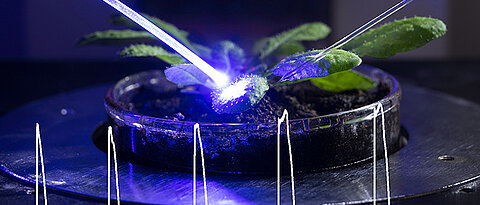
The work of Nobel Laureate Georg Nagel benefits not only medicine but also plant research. His long-standing colleagues in Würzburg – Dietmar Geiger, Kai Konrad and Dirk Becker – explain why.
more
A brand-new Nobel Laureate
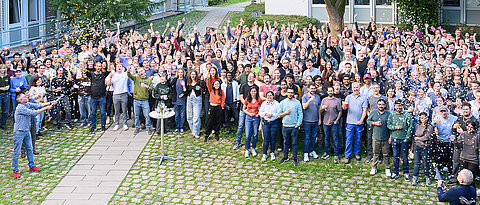
On Monday, Georg Nagel was awarded the Nobel Prize; on Tuesday, he was honoured at the Biozentrum. Confetti cannons went off, even though Nagel himself was unable to attend.
more
Nobel Prize for Würzburg Professor Georg Nagel
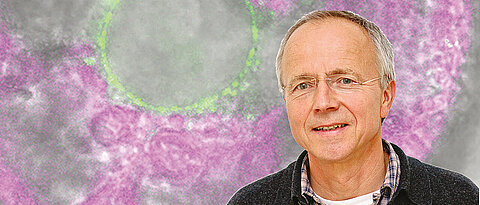
Würzburg Professor Georg Nagel (73) has been awarded the 2026 Nobel Prize in Physiology or Medicine for his discoveries in optogenetics. He conducted research at JMU for more than 20 years.
more
Biocenter researcher Georg Nagel wins Nobel Prize
Georg Nagel, a researcher at the University of Würzburg’s Biocenter, has won this year’s Nobel Prize in Physiology or Medicine.
The work of Nobel Laureate Georg Nagel benefits not only medicine but also plant research. His long-standing colleagues in Würzburg – Dietmar Geiger, Kai Konrad and Dirk Becker – explain why.
On Monday, Georg Nagel was awarded the Nobel Prize; on Tuesday, he was honoured at the Biozentrum. Confetti cannons went off, even though Nagel himself was unable to attend.
Würzburg Professor Georg Nagel (73) has been awarded the 2026 Nobel Prize in Physiology or Medicine for his discoveries in optogenetics. He conducted research at JMU for more than 20 years.