


Ares, Manuel
Manuel Ares
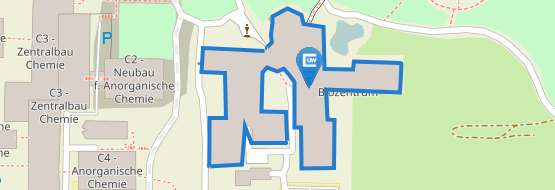
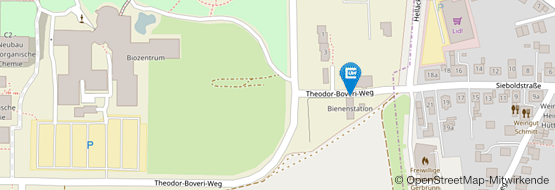
Biozentrum
Am Hubland

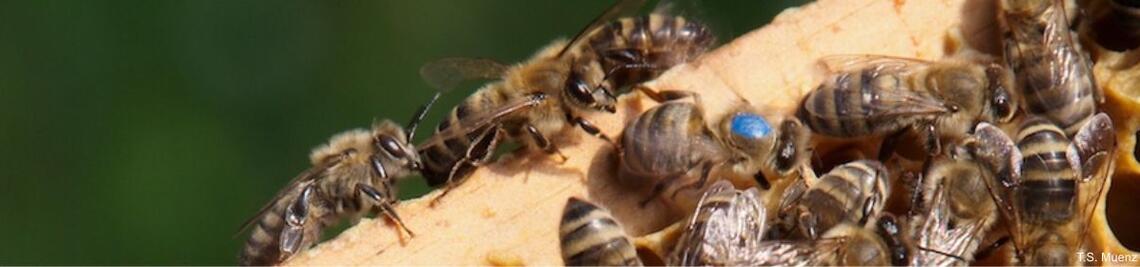
Honigbienenvölker sind hoch organisierte soziale Gemeinschaften, in denen Arbeiterinnen im Laufe ihres Lebens unterschiedliche Aufgaben übernehmen und gleichzeitig die Fähigkeit behalten, ihr Verhalten flexibel an die Bedürfnisse des Volkes anzupassen. Das Verständnis der Mechanismen, die dieser Arbeitsteilung zugrunde liegen, zählt zu den zentralen Fragestellungen der Biologie sozialer Insekten.
Meine Forschung konzentriert sich auf die Rolle kutikulärer Kohlenwasserstoffe (Cuticular Hydrocarbons, CHCs) in der sozialen Organisation von Honigbienen. Obwohl bekannt ist, dass sich die CHC-Profile während des Übergangs zwischen verschiedenen sozialen Aufgaben, insbesondere zwischen Ammenbienen und Sammelbienen, verändern, ist ihre biologische Bedeutung bislang nur unzureichend verstanden. Besonders interessiert mich, welche molekularen Mechanismen diesen aufgabenspezifischen Veränderungen zugrunde liegen und ob sie zur Koordination sozialer Interaktionen innerhalb des Bienenvolkes beitragen.
Durch die Kombination molekularbiologischer und verhaltensbiologischer Ansätze zielt meine Arbeit darauf ab, die genetischen Signalwege zu identifizieren, die an der Regulation von CHC-Profilen beteiligt sind, und die Rolle chemischer Signale für die Flexibilität und Organisation von Honigbienengesellschaften besser zu verstehen.
...