
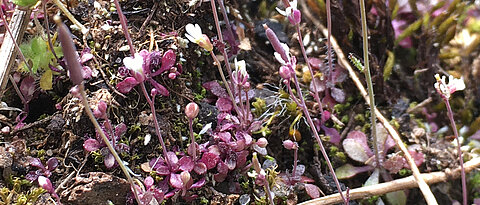
A unique experiment tracks the evolution of plants in response to climate change - and defines the limits of adaptability. Researchers from the University of Würzburg are also involved.
more




A unique experiment tracks the evolution of plants in response to climate change - and defines the limits of adaptability. Researchers from the University of Würzburg are also involved.
more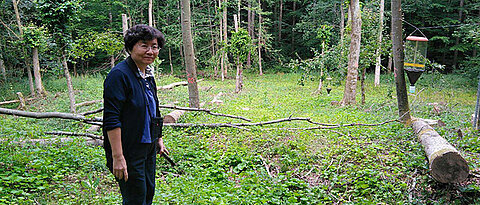
Promoting diversity in commercial forests on the basis of ecological theories: This is the aim of a research group that has now been approved for further funding by the DFG. The group is headed by JMU forest ecologist Jörg Müller.
more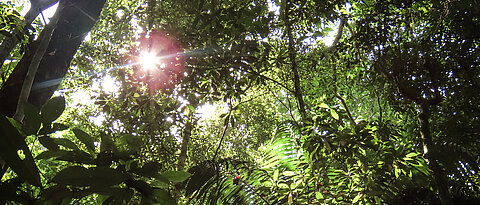
Rising temperatures are threatening dung beetle populations in the Amazon. The example shows a trend that could bring many insect species there to their heat threshold. Researchers from Würzburg and Bremen conducted the study.
more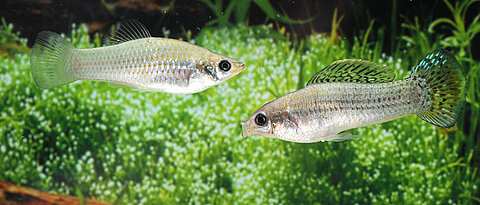
Amazon mollies manage to maintain a healthy genome even without sexual reproduction. A new study, in which a team from the University of Würzburg was involved, shows which mechanisms are responsible for this.
more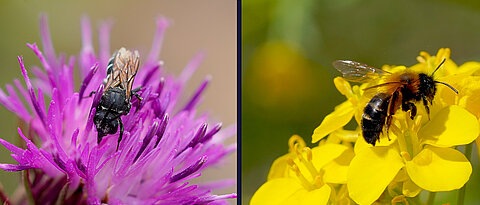
Researchers at the University of Würzburg have identified a considerable number of wild bee species on the Hubland Campus. Some of the university's measures provide suitable habitats and thus promote biodiversity.
more
Villages can provide important habitats for insects. A new study by the University of Würzburg shows which areas in rural settlements are particularly rich in species – and where there is still room for improvement.
more
Up to half of the insects in the Amazon region could be exposed to life-threatening heat levels due to progressive, anthropogenic global warming. This is shown by a recent study by the universities of Würzburg and Bremen.
more
To improve their chances of survival, animals must learn – and that can be dangerous. A new study from the University of Würzburg shows how gradual learning under parental supervision can reduce these risks.
more