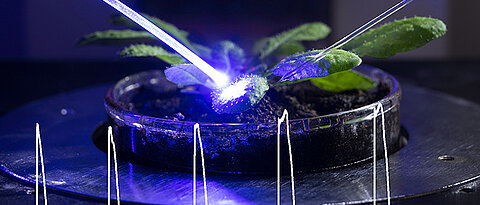
The work of Nobel Laureate Georg Nagel benefits not only medicine but also plant research. His long-standing colleagues in Würzburg – Dietmar Geiger, Kai Konrad and Dirk Becker – explain why.
more


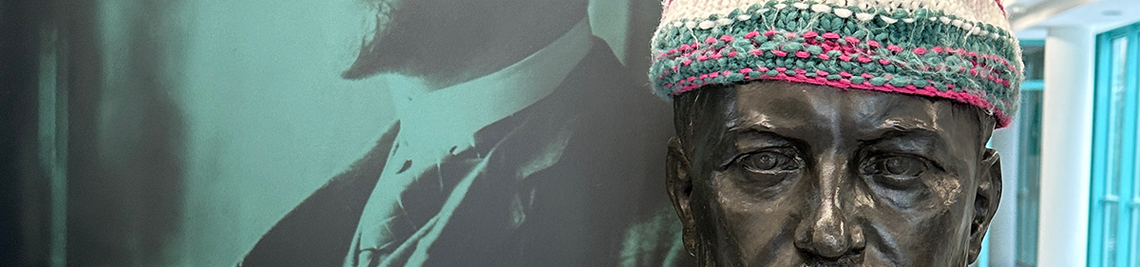
The work of Nobel Laureate Georg Nagel benefits not only medicine but also plant research. His long-standing colleagues in Würzburg – Dietmar Geiger, Kai Konrad and Dirk Becker – explain why.
more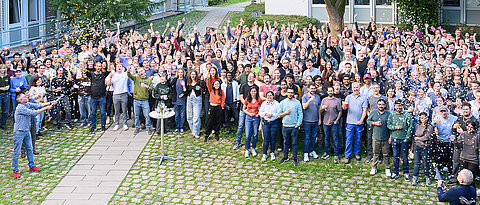
On Monday, Georg Nagel was awarded the Nobel Prize; on Tuesday, he was honoured at the Biozentrum. Confetti cannons went off, even though Nagel himself was unable to attend.
more
Würzburg Professor Georg Nagel (73) has been awarded the 2026 Nobel Prize in Physiology or Medicine for his discoveries in optogenetics. He conducted research at JMU for more than 20 years.
more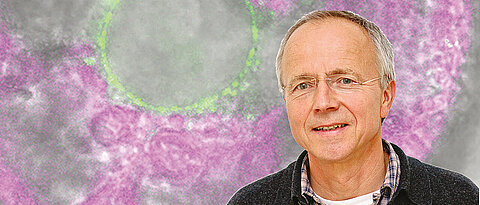
Georg Nagel, a researcher at the University of Würzburg’s Biocenter, has won this year’s Nobel Prize in Physiology or Medicine.
more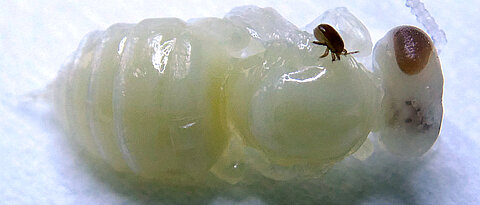
The Tropilaelaps mite has reached Turkey, thereby crossing the border into Europe. Experts have now been discussing in North Macedonia how this dangerous bee mite can be contained.
more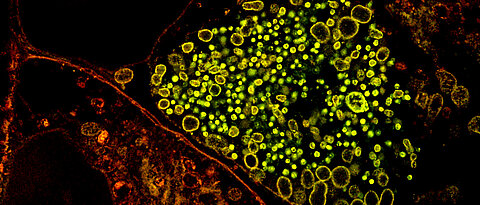
Chlamydia organise their genetic material with the help of lipids. This is shown by a new study from the University of Würzburg. This unexpected alliance could change our current understanding of how bacterial DNA is organised.
more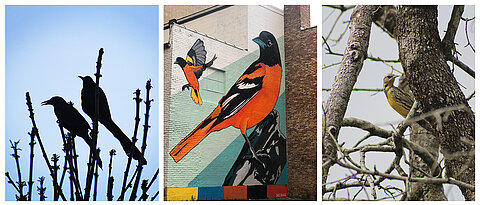
From North America to Patagonia: Researchers at the University of Würzburg have reconstructed how New World blackbirds spread across the Americas over millions of years.
more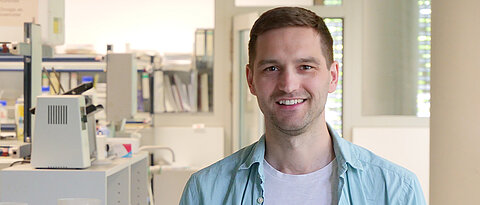
Tom Beneke, a researcher from Würzburg, has received an ERC Starting Grant for his work on the tropical disease leishmaniasis. This prestigious European research award is worth 1.5 million euros.
more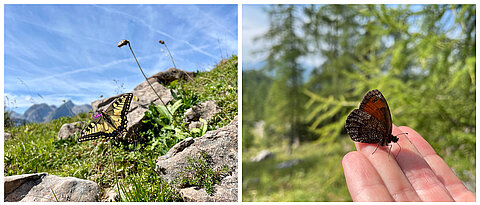
How are butterflies in the Alps responding to rising temperatures? A University of Würzburg study shows that species with a poor capacity to regulate their body temperature are particularly likely to shift to higher elevations.
more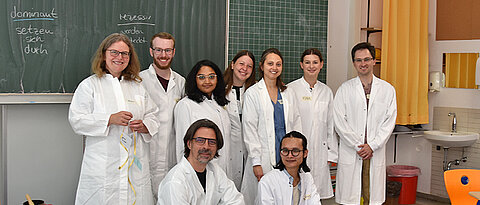
Sparking children’s curiosity about molecular biology: that is the aim set by researchers at the NUCLEATE Cluster of Excellence. They welcomed primary school pupils to the Biozentrum.
more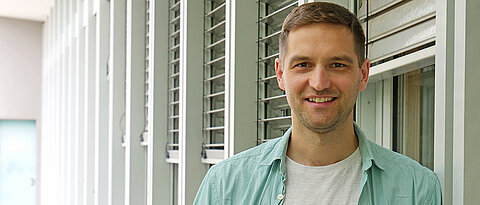
The DFG is providing 2.2 million euros for Tom Beneke’s Emmy Noether Junior Research Group at the University of Würzburg. He is investigating how Leishmania parasites, transmitted by sand flies, spread throughout the body.
more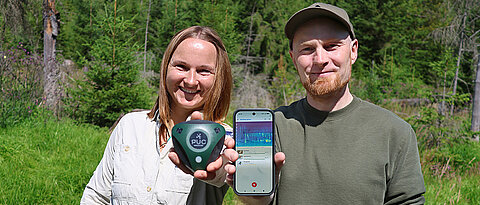
Professional bioacoustics in your pocket: The new BirdNET Live app is revolutionising the monitoring of animal calls. Its AI works without an internet connection and recognises more species than other apps.
more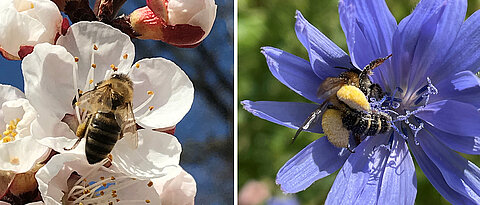
Europe is hindering its own efforts to protect bees, butterflies and other pollinators. Researchers warn of serious consequences for biodiversity and food security.
more
How can viruses be effectively tackled despite their constant evolution? The newly established international doctoral network VirION aims to address this question. Researchers at the University of Würzburg are investigating how specific cell organelles are altered during viral infection and which new targets may emerge from these changes for broadly effective antiviral therapies.
more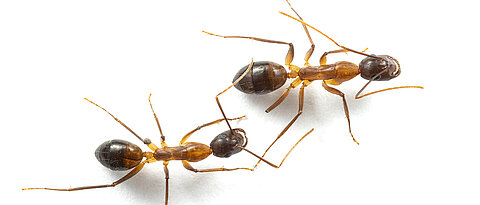
Carpenter ants amputate the injured legs of fellow ants to minimise the risk of infection. A new study involving a Würzburg researcher shows that this task is primarily carried out by ants switching from indoor to outdoor duties.
more