
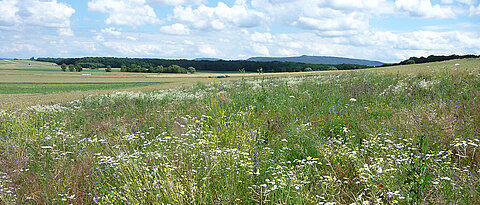
In an exceptionally broad and elaborate study, biologists from the University of Würzburg investigated the biodiversity of flowering fields planted as part of agri-environmental schemes.
more



In an exceptionally broad and elaborate study, biologists from the University of Würzburg investigated the biodiversity of flowering fields planted as part of agri-environmental schemes.
more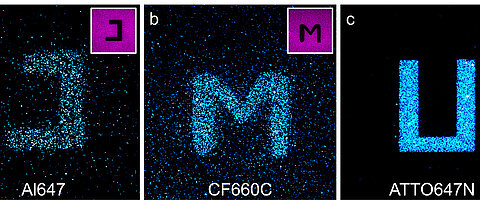
An undesirable effect can occur in super-resolution fluorescence microscopy: photoblueing. A new publication in „Nature Methods“ shows how it can be prevented or made useful for research.
more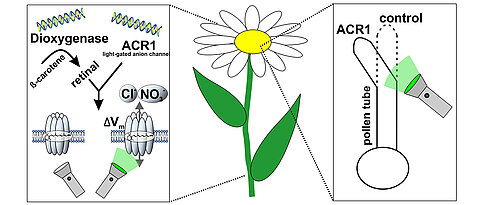
Optogenetics can be used to activate and study cells in a targeted manner using light. Scientists at the University of Würzburg have now succeeded in transferring this technique to plants.
more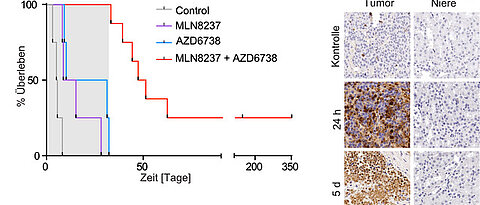
With two commercially available inhibitors, the cell cycle of the cancer cells in the childhood tumour neuroblastoma can be disrupted at a key point causing tumour cell death.
more
Does the moon affect women's menstrual cycles? This question has been controversial for a long time. A new study by chronobiologists from Würzburg now suggest that such an influence does exist. It's complicated, though.
more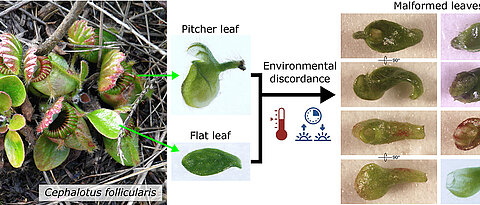
Climate change may challenge organismal responses through not only extreme cues. An uncommon combination of benign cues – warm and short days – can also trigger reactions such as misregulations of leaves.
more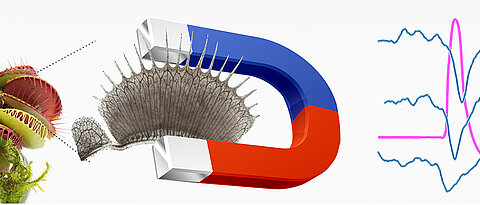
The carnivorous Venus flytrap can generate magnetic fields that are almost as strong as those in humans. Researchers from Mainz and Würzburg have demonstrated this with a new, non-invasive measuring technique.
more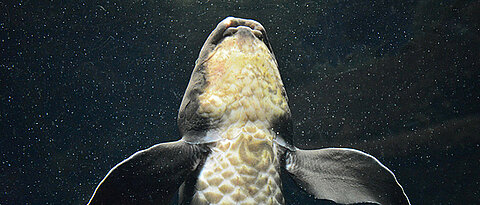
The Australian lungfish replaces the Mexican axolotl as holding the record for the "largest genome in the animal kingdom". Its genome shows the evolutionary innovations that made living on land possible.
more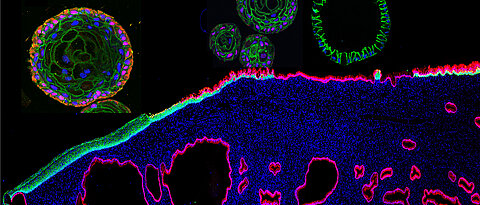
How do tumours develop in the cervix? Many new details are now known about this question. This is also thanks to Dr. Cindrilla Chumduri from the Biocentre at the University of Würzburg.
more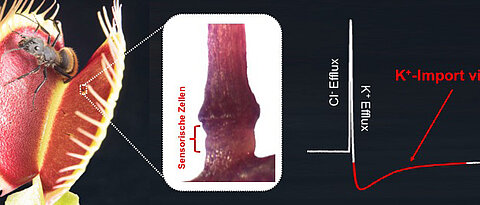
The display of a smartphone reacts to finger pressure. The carnivorous Venus flytrap, on the other hand, even notices when a lightweight like a fly lands on it. Special genes make this possible.
more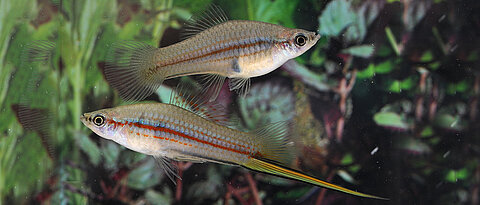
In many species all over the animal kingdom, males have eye-catching characteristics. Although often impractical, they are beneficial in finding a mate. Scientists have now mapped the genetic bases of such a male ornament in a fish.
more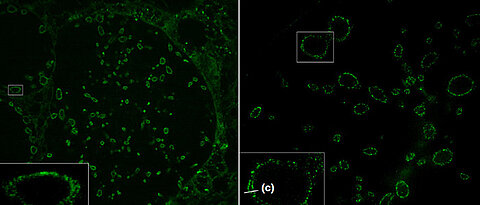
For the first time ever, expansion microscopy allows the imaging of even the finest details of cell membranes. This offers new insights into bacterial and viral infection processes.
more
Their work is most frequently cited in publications of other scientists. Five researchers from the University of Würzburg are therefore again included in the Highly Cited Researchers 2020 List.
more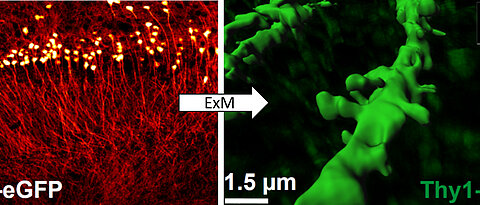
Three experts for super-resolution microscopy jointly want to obtain better images of functioning and pathologically altered nerve cells. The European Research Council ERC is funding them with eleven million euros.
more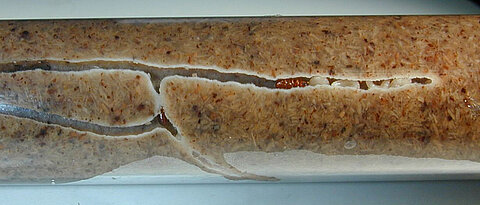
Ambrosia beetles are fascinating: they practice agriculture with fungi and they live in a highly developed social system. Biologist Peter Biedermann has now discovered new facts about them.
more