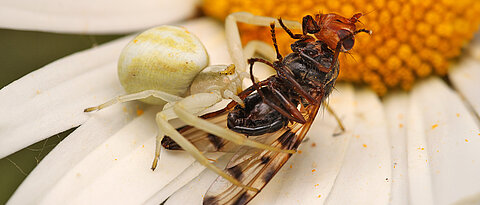
A new study from the University of Würzburg shows that a varied forest structure influences spider diversity. Creating forest clearings can, in some cases, significantly reduce this diversity.
more



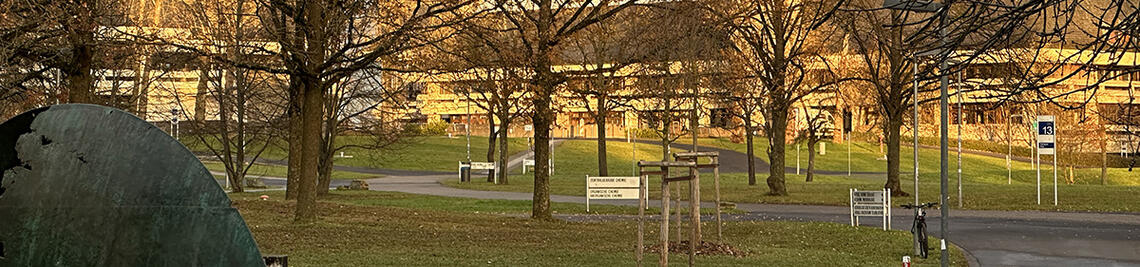
A new study from the University of Würzburg shows that a varied forest structure influences spider diversity. Creating forest clearings can, in some cases, significantly reduce this diversity.
more
Around 500 protein researchers are expected in Würzburg in late 2026. The Proteomics Forum 2026 will be held here alongside the 15th EuPA Congress. Conference abstracts may be submitted until 30 June; the registration deadline is 15 September.
more
A new drug candidate has been shown to alleviate symptoms of Huntington's disease and extend lifespan – at least in animal studies. There is some evidence to suggest that these results may also apply to humans.
more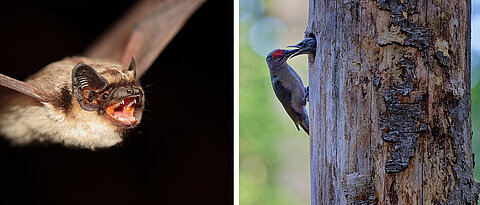
Disorder brings more life to the forest: Birds and bats react to this in different ways. This is shown by a new study from the University of Würzburg’s Biocenter.
more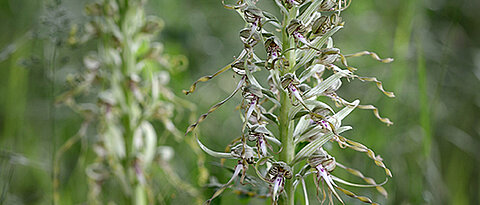
Rare plants can be seen on the Hubland campus: 30 specimens of the orchid, the buck's strap-tongue, are blooming there. The "Living Campus" initiative points this out.
more
How insects orientate themselves at night is the topic of a lecture at the Environmental Station of the City of Würzburg. The event will take place on Tuesday, 9 June 2026.
more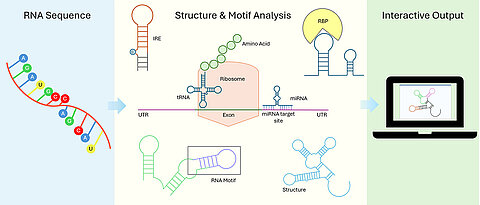
Researchers at the University of Würzburg have unveiled a new tool for analysing RNA molecules. It visualises their structures as interactive maps and could help to improve our understanding of diseases.
more
During a visit, Lord Mayor Martin Heilig got an insight into the diverse activities of the Botanic Garden. He also gained an overview of the construction work.
more
Working in the dark in a rainforest in the evening is nothing unusual for researchers in tropical biology. A candle can serve as more than just a source of light.
more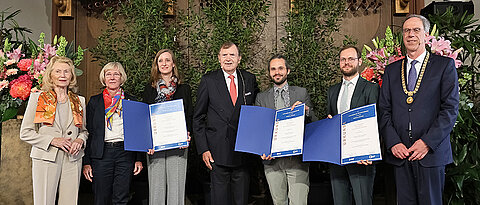
Erik Frank, Anton Freund, Mona Garvert and Christof Weiß receive the Baldwin and Inge Knauf Sponsorship Awards 2026, each endowed with 50,000 euros, for outstanding achievements.
more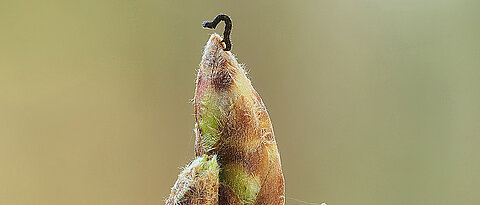
When oak trees are heavily damaged by caterpillars, they open buds later the following spring. An international research team has shown that this strategy is highly effective against their predators.
more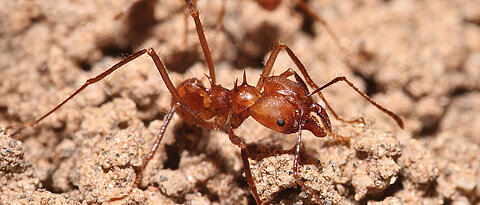
Leaf-cutter ants are considered a problem by cacao farmers in Peru. However, the damage they cause can be limited. This is shown by a new study from the University of Würzburg.
more
How can forest changes be recognised at an early stage and informed decisions made for climate-resilient forests? This question has been addressed by a project that is now providing an app for forest monitoring.
more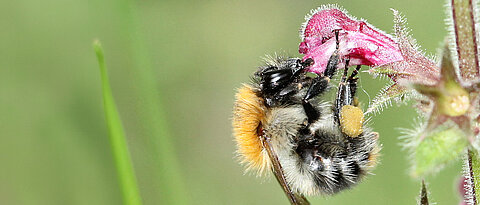
Drought significantly reduces the reproductive success of bumblebee colonies. This is shown by a new study conducted by a research team at the University of Würzburg. This also has consequences for plant pollination.
more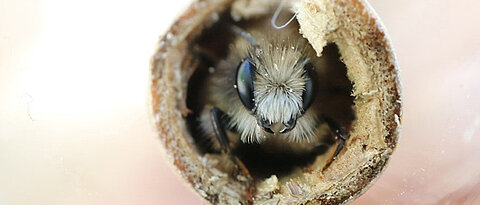
A large-scale experiment shows that warmth brings bees and wasps out of hibernation earlier – leaving some of them with poorer starting conditions. This is particularly true for species in cooler regions that emerge during spring.
more