
A new collaborative research centre is being launched in Würzburg. It investigates critical decision processes that determine the outcome of human infection.
more




A new collaborative research centre is being launched in Würzburg. It investigates critical decision processes that determine the outcome of human infection.
more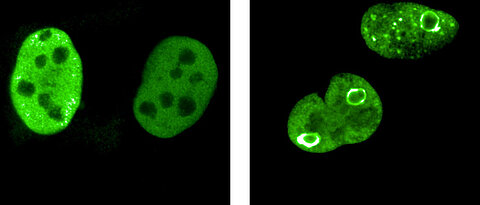
Hollow spheres made of MYC proteins open new doors in cancer research. Würzburg scientists have discovered them and report about this breakthrough in the journal "Nature".
more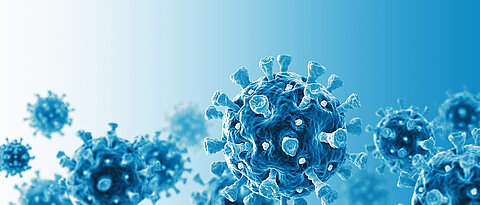
At the beginning of the corona pandemic, the R0 value was an essential criterion for estimating the further development. A study by the University of Würzburg now shows that it was often not really accurately determined.
more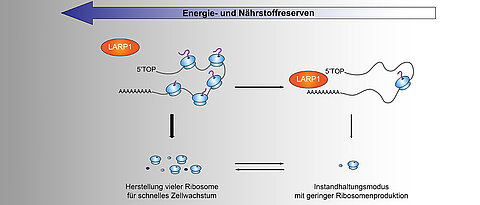
How do cells manage to quickly adapt their growth to changing environmental conditions? A new study by a research team from Würzburg provides an answer to this question.
more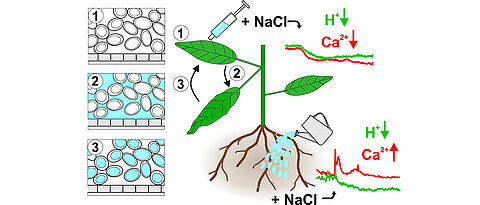
Plant leaves can cope with much higher salt concentrations than roots. The underlying mechanism may help to develop more salt-tolerant crops.
more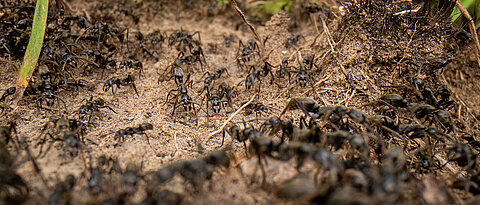
Have you ever asked yourself this question? A team led by Würzburg biologists Dr. Patrick Schultheiss and Dr. Sabine Nooten now has the answer. In addition to the number, the distribution was also determined.
more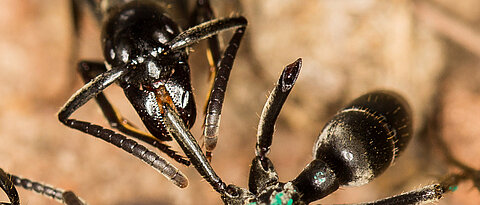
Biologist Dr. Erik Frank is researching how an African ant species treats its wounded. To continue his work, the German Research Foundation (DFG) has now granted him an Emmy Noether group.
more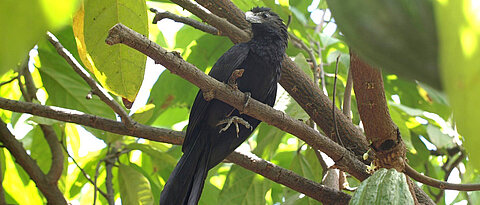
In the cultivation of organic cacao, many factors determine the yield. An international research team has now identified important players and their combined effects.
more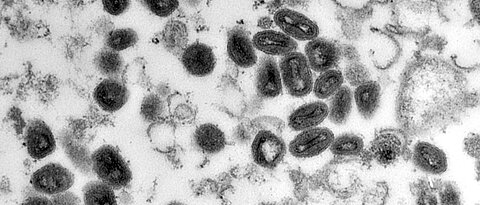
Poxviruses pose a threat to humanity that should be taken seriously, as the current outbreak of monkeypox shows. A research team from the University of Würzburg is now working on the development of new drugs.
more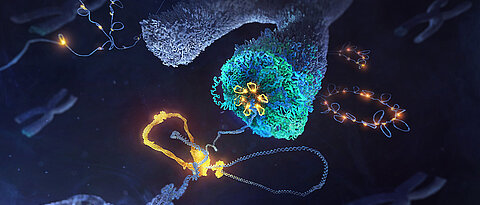
Researchers from Heidelberg and Würzburg have uncovered the inner workings of the molecular machinery that shapes chromosomes during cell division.
more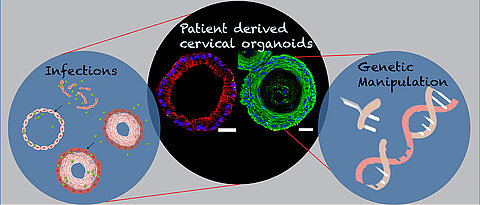
Life-like organ replicas - so-called 3D organoids - are a good way to research disease processes. A team from the University of Würzburg has now presented a kind of blueprint for such a model of the cervix.
more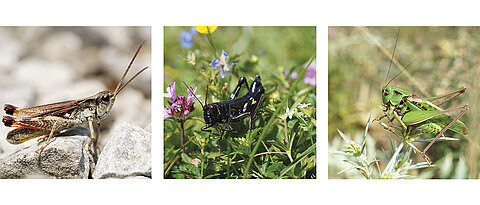
Little is known about the food webs of herbivorous insects. A team from the Würzburg Biocenter is investigating, in Lower Franconia as well as in the Berchtesgaden Alps.
more![[Translate to Englisch:]](/fileadmin/_processed_/8/6/csm_0506Insekten_Bestaeuber_c0e0635d26.jpg "[Translate to Englisch:]")
Insect diversity is declining in Bavaria. Land use is a major driver, but the impact of climate change is still unknown. A study by the University of Würzburg has now investigated how both factors interact.
more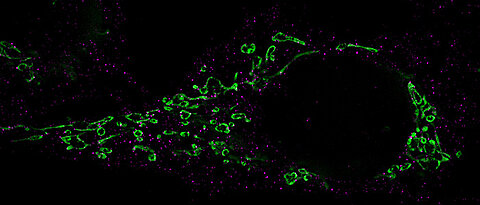
Dormant herpesviruses induce their reactivation via a previously unknown cellular mechanism mediated by a viral microRNA. Würzburg researchers show this in the journal "Nature".
more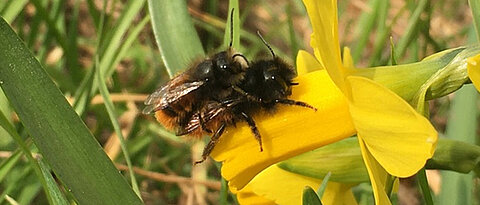
Do pesticides have anything to do with the decline in bee populations? A research team led by the University of Würzburg has investigated - and found a connection between fenbuconazole and the insects' mating behavior.
more